
In a world where drones zip through the skies like pesky mosquitoes, the Countering CCP Drones Act is the superhero we didn’t know we needed. With the Chinese Communist Party’s drones buzzing around, it’s high time to take a stand and send them packing. This act isn’t just a piece of legislation; it’s a bold declaration that we won’t let our skies be dominated by foreign surveillance.
Imagine a future where innovation thrives without the shadow of prying eyes overhead. The Countering CCP Drones Act aims to protect national security while encouraging homegrown tech solutions. It’s not just about keeping our airspace clear; it’s about fostering a sense of safety and sovereignty in an increasingly interconnected world. Buckle up as we dive into the details of this game-changing legislation and explore how it’s set to reshape the landscape of drone technology.
Overview of Countering CCP Drones Act
The Countering CCP Drones Act addresses the security risks associated with drone technologies originating from the Chinese Communist Party. This legislation enhances measures to safeguard U.S. airspace against potential foreign surveillance and espionage. By regulating the use and deployment of drones, the act prioritizes the protection of critical infrastructure.
The act establishes a framework for evaluating drone technologies. It mandates thorough assessments of drones with connections to China before they enter the U.S. market. Only those that meet stringent security standards can gain approval.
Additionally, the act supports domestic drone innovation. By incentivizing American manufacturers, it enhances the competitive landscape for drone technology, ensuring that domestic products can match or exceed their foreign counterparts.
The act promotes collaboration among federal, state, and local governments. It encourages coordinated efforts to address drone-related threats. These collaborative initiatives strengthen national defense and enhance response strategies to identify and neutralize unauthorized drone activity.
According to the U.S. Department of Defense, in 2021, 60% of all commercial drones in the U.S. had ties either directly or indirectly to Chinese companies. This statistic underscores the urgency of the Countering CCP Drones Act, as it seeks to mitigate vulnerabilities in the domestic drone landscape.
Through strategic policies, the act aims to uphold air safety and sovereignty, affirming the commitment to a secure environment for citizens and businesses alike.
Key Provisions of the Act
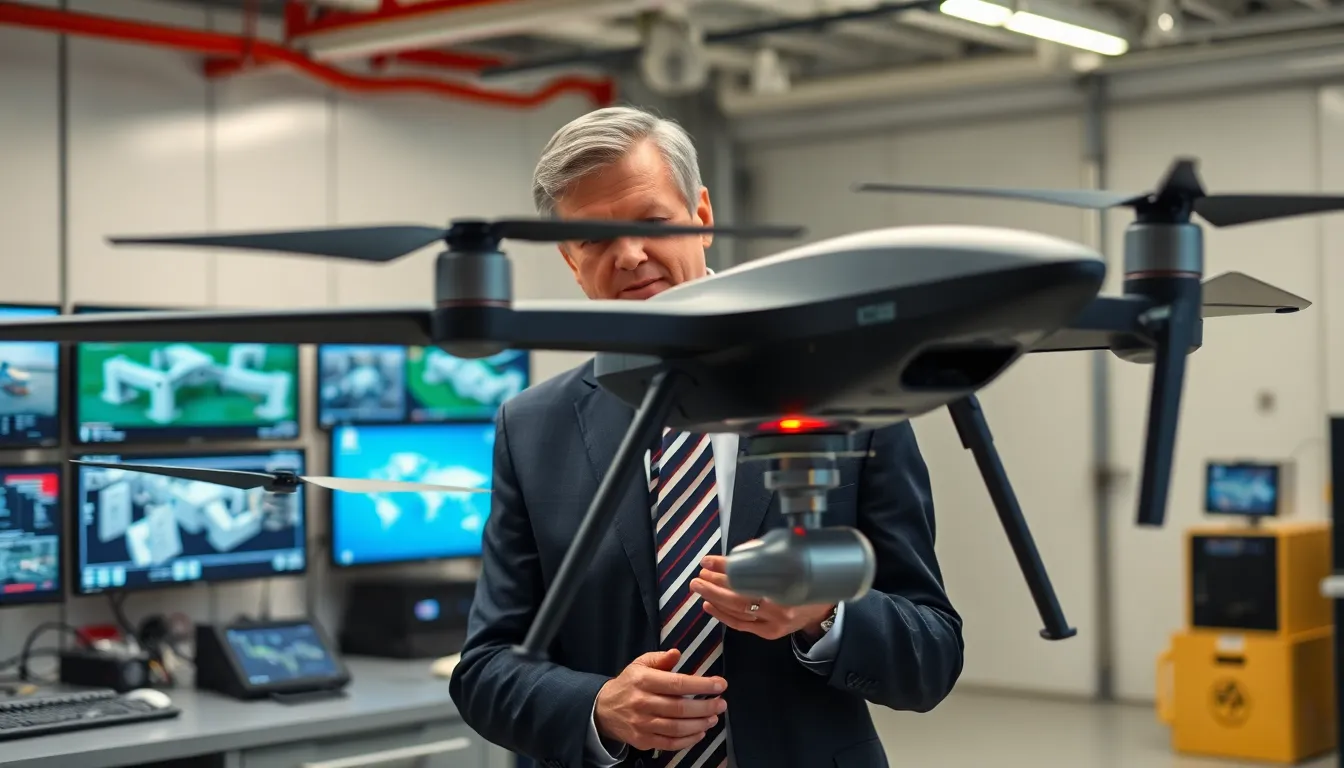
The Countering CCP Drones Act includes several crucial provisions aimed at mitigating risks associated with drones linked to the Chinese Communist Party (CCP). These measures focus on surveillance restrictions and implementing export controls to secure U.S. airspace.
Surveillance Restrictions
The act imposes strict regulations on the use of drones originating from or connected to Chinese companies. Surveillance capabilities in these drones face limitations to prevent unauthorized monitoring of sensitive areas. The legislation requires comprehensive risk assessments for any existing or new drone technology to identify potential threats to national security. Agencies must evaluate how such drones might infringe upon privacy rights or engage in espionage practices. By enforcing these restrictions, the act intends to protect critical infrastructure and sensitive government operations from foreign intrusion.
Export Controls
The Countering CCP Drones Act establishes export controls on drone technologies to prevent the dissemination of sensitive information. It mandates licensing requirements for any export of drone-related technology that could enhance the capabilities of foreign nations, especially those with ties to the CCP. This control mechanism acts as a safeguard against the transfer of advanced technology that could undermine national security. Additionally, the act facilitates cooperation with international allies to standardize export regulations, ensuring that similar protective measures apply globally. By implementing these controls, the act aims to maintain a competitive advantage in drone technology while safeguarding U.S. interests.
Implications for National Security
The Countering CCP Drones Act plays a crucial role in enhancing U.S. national security by addressing vulnerabilities posed by foreign drone technologies. The act prioritizes the evaluation and regulation of drones linked to the Chinese Communist Party, ensuring protection against surveillance threats.
Threat Assessment
Threat assessment under the act focuses on identifying risks posed by drones connected to China. It mandates rigorous risk evaluations, emphasizing potential implications for critical infrastructure and civil liberties. Drones with ties to Chinese companies undergo detailed scrutiny, which assesses capabilities for espionage and invasion of privacy. The U.S. government’s ability to analyze these threats bolsters national defense mechanisms, paving the way for informed decisions on drone usage and market entry.
Strategic Responses
Strategic responses include adjusting regulatory frameworks to enhance airspace protection. The act implements strict licensing requirements for drone technology exports, curtailing sensitive information dissemination to foreign entities. It encourages cooperation among federal, state, and local government agencies, fostering a unified approach to drone threats. By facilitating support for domestic drone innovation, the legislation strengthens the competitive landscape, ensuring U.S. dominance in aerial technology while safeguarding national interests.
International Reactions
International reactions to the Countering CCP Drones Act underscore its global significance and implications for international relations, particularly concerning drone technology.
Responses from Allied Countries
Allied countries express support for the act, seeing it as a necessary measure against increasing drone threats from China. Several nations, including the United Kingdom and Australia, are enacting similar regulations to protect their airspace and critical infrastructure. These allies emphasize collaboration efforts, sharing intelligence on drone surveillance activities and enhancing joint technological innovation projects. High-level discussions focus on creating a unified front to mitigate the risks posed by foreign drone technologies, fostering greater security cooperation within established alliances.
Impact on Global Drone Trade
The Countering CCP Drones Act significantly influences the global drone trade landscape. Countries outside of the U.S. reevaluate their own import regulations and partnerships with Chinese manufacturers. Potential buyers of Chinese drones face increased scrutiny, with many opting for alternatives to avoid backlash or restrictions. Reportedly, non-compliance can lead to severe sanctions, prompting manufacturers to adjust their strategies to align with heightened security requirements. The act drives a shift towards domestic innovations as countries invest more in homegrown technology, shifting the balance within the competitive global drone market.
Future Perspectives
Future implications of the Countering CCP Drones Act focus on enhanced national security and the evolution of drone technology. The act provides a robust framework for ongoing assessments of aerial threats, enabling government agencies to stay ahead of potential risks. Updated evaluations of drone capabilities ensure thorough scrutiny of foreign technologies, particularly those associated with the CCP.
Future collaboration among U.S. allies strengthens efforts against CCP drone surveillance. Enhanced intelligence-sharing initiatives may emerge, encouraging joint ventures in drone innovations. Such partnerships allow allied nations to respond cohesively to common threats while advancing cutting-edge technologies.
Future developments in drone regulations could emerge based on lessons learned from implementing the act. Continuous monitoring of the drone landscape fosters adaptive regulatory frameworks that align with technological advancements. These updates may address evolving risks and facilitate the approval process for domestic manufacturers.
Future impacts on the global drone market may drive changes in international partnerships. Countries may shift towards strengthening local production capabilities to circumvent reliance on Chinese manufacturers. This transition fosters a competitive environment, encouraging innovation and diversification of drone technologies.
Future cybersecurity measures become vital as the act progresses. Rigorous monitoring of drone operations ensures compliance with national security standards. Implementing real-time surveillance of drone use helps mitigate risks associated with unauthorized activities.
Future public awareness initiatives may educate citizens on drone safety and privacy. Building informed communities aids in detecting unauthorized drone activities and enhances compliance with regulations. With increasing public involvement, a culture of vigilance towards drone usage may develop, contributing to overall airspace security.
The Countering CCP Drones Act represents a proactive approach to safeguarding U.S. airspace and national security. By establishing stringent regulations on drone technologies linked to China, it ensures that potential threats are assessed and addressed effectively. This legislation not only protects critical infrastructure but also promotes domestic innovation in drone technology.
As countries worldwide respond to similar threats, the act positions the U.S. as a leader in developing secure aerial solutions. Future collaborations with allies will likely enhance collective security measures. With ongoing assessments and adaptive regulatory frameworks, the U.S. can remain vigilant against emerging drone threats while fostering a culture of safety and innovation.