Table of Contents
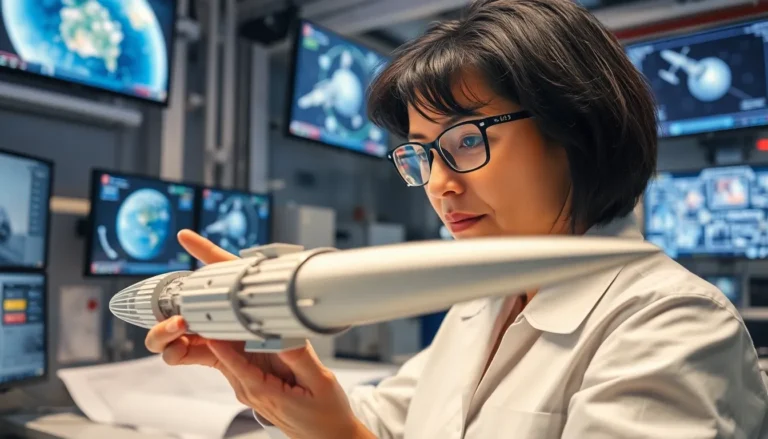
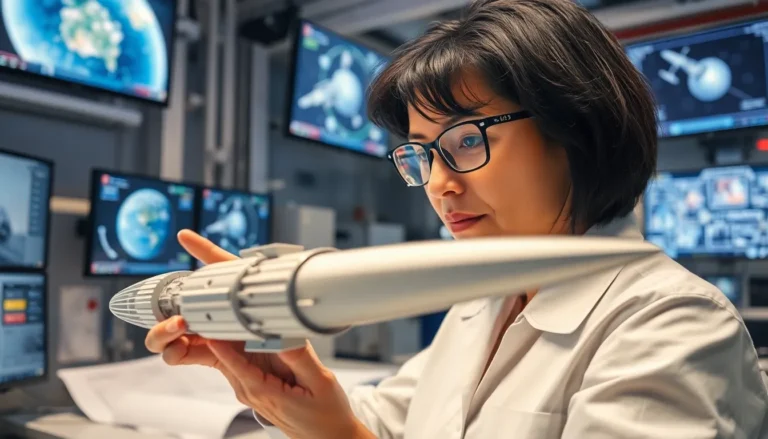
ToggleSpacecraft are like rock stars of the universe, but before they can take the stage, they need to pass a crucial sound check. Acoustic testing for spacecraft ensures these celestial divas can handle the noise of launch and the silence of space without losing their cool. Imagine a rocket blasting off only to be drowned out by its own melodramatic vibrations—talk about a cosmic catastrophe!
Overview of Acoustic Testing for Spacecraft
Acoustic testing plays a crucial role in ensuring spacecraft resilience against launch environments. This type of testing evaluates how spacecraft components respond to intense sound waves produced during liftoff. Engineers simulate conditions similar to those encountered during a rocket launch, exposing spacecraft structures to high decibel levels.
Multiple tests establish how vibration and noise could impact critical systems onboard. The main objective focuses on identifying potential weaknesses within structures and materials. Results from these assessments inform design improvements and system upgrades, enhancing overall mission success rates.
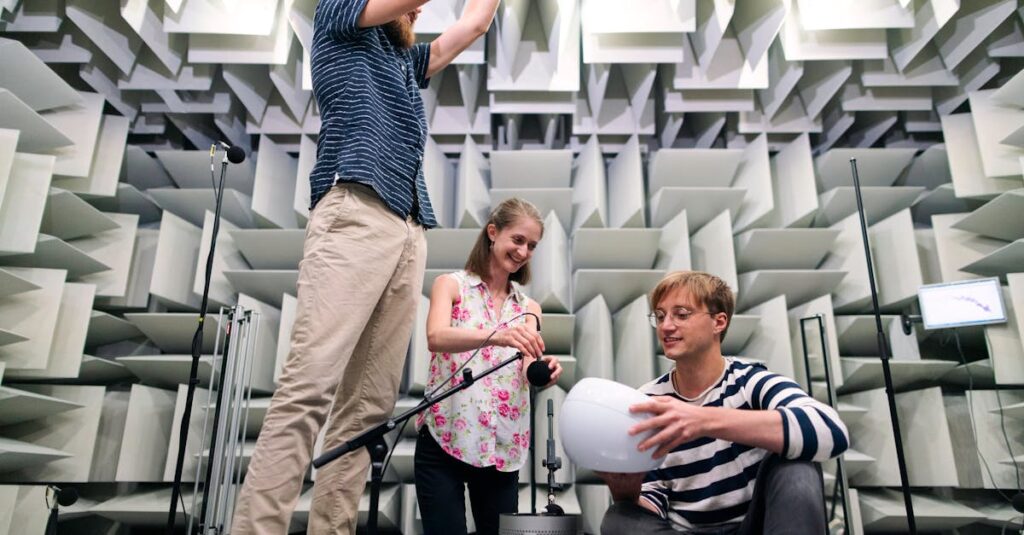
Specific methodologies include employing acoustic chambers, generating noise profiles, and analyzing frequency responses. A typical test might involve exposing a spacecraft to sound pressure levels exceeding 160 decibels. Such intensity mimics those experienced during launch, allowing engineers to assess both hardware durability and system performance.
Data collected during these tests facilitates comprehensive evaluations. The process enables a better understanding of how vibration affects sensitive instruments and electronics. By conducting acoustic testing, engineers can pinpoint failure modes and devise solutions before launch.
Ongoing acoustic assessments remain vital throughout the spacecraft design phase. With advancements in technology, testing methods continue evolving, ensuring improved reliability for space missions. Prioritization of these evaluations ensures spacecraft maintain functionality under extreme conditions, safeguarding mission objectives.
Importance of Acoustic Testing
Acoustic testing plays a critical role in ensuring spacecraft can endure launch and operate successfully in space. This testing identifies potential vulnerabilities and shapes the design process.
Impact on Spacecraft Design
Acoustic testing significantly influences spacecraft design. Engineers assess components under extreme sound pressure levels, often exceeding 160 decibels, to gauge material and structural integrity. High-fidelity acoustic chambers generate noise profiles that replicate actual launch conditions, exposing weaknesses that otherwise may go unnoticed. Prioritizing these assessments allows engineers to refine designs and enhance durability. Revising structural elements ensures spacecraft can withstand the harsh environment of liftoff and the silence of space. Such proactive measures contribute to a robust spacecraft capable of fulfilling its mission.
Ensuring Mission Success
Mission success hinges on thorough acoustic testing. Test data informs engineers about potential failure modes, enabling them to devise solutions before launch. Identifying vulnerabilities early in the design phase prevents costly setbacks during later stages. Ongoing assessments are essential as spacecraft evolve, ensuring that every design iteration meets rigorous acoustic standards. Enhanced reliability emerges from addressing the challenges posed by launch vibrations. Meeting these challenges allows for greater confidence in mission objectives, ensuring a smoother path to successful operations in space.
Types of Acoustic Testing
Acoustic testing for spacecraft encompasses various methods that ensure systems can endure the extreme conditions of launch and operate effectively in space.
Ground-based Testing Methods
Engineers rely on acoustic chambers equipped with sophisticated technology to simulate launch sounds. These chambers generate sound pressure levels exceeding 160 decibels, mirroring the intense noise environment during liftoff. Testing includes exposing components to specific frequencies that mimic rocket vibrations. Engineers assess material responses to these conditions, revealing potential weaknesses in structures. Insights gained during these tests help refine designs and improve durability. This ground-based methodology allows for comprehensive evaluations that significantly enhance mission success.
In-space Testing Approaches
In-space testing methods assess spacecraft acoustics during actual operations. Some missions incorporate acoustic sensors to monitor vibrations and noise levels throughout flight. Such monitoring provides real-time data on system performance under space conditions. The information collected assists engineers in identifying any anomalies that may arise. These tests enhance understanding of how sound interacts with spacecraft, ensuring reliability during missions. Data from in-space assessments can inform future design iterations and contribute to improved spacecraft resilience.
Challenges in Acoustic Testing for Spacecraft
Acoustic testing for spacecraft faces several notable challenges that can impact results and outcomes.
Environmental Factors
Environmental conditions can significantly affect acoustic testing accuracy. Vibration and temperature fluctuations during testing can alter component responses to sound. Extreme humidity and atmospheric pressure variations may also lead to inconsistent data. Tests conducted in less-than-ideal settings may produce misleading results, causing engineers to overlook potential vulnerabilities. Engineers must ensure that testing environments closely replicate launch conditions for reliable assessments. Monitoring external influences throughout the testing process is essential for maintaining data integrity.
Technological Limitations
Technological constraints present additional hurdles in acoustic testing. Acoustic chambers often struggle to replicate the full dynamic range of launch sounds, limiting the fidelity of results. Engineers may encounter difficulties in generating sound pressure levels exceeding 160 decibels consistently. Advanced sensors and data analysis tools are required to capture intricate responses of materials under intense acoustic loads. Limited equipment capabilities can hinder engineers’ ability to fully understand component behaviors during tests. Continuous advancements in testing technologies are critical for improving assessment accuracy and enhancing spacecraft design reliability.
Future Trends in Acoustic Testing
Emerging technologies are reshaping acoustic testing for spacecraft, enhancing reliability and performance. Integration of artificial intelligence is revolutionizing assessment methodologies, enabling real-time data analysis to uncover potential failure modes. Machine learning algorithms analyze vast datasets from previous tests to predict material responses, allowing engineers to preemptively address weaknesses.
Real-time monitoring systems are now being developed to capture acoustic data during critical mission phases. Engineers gather insights directly from live launches, ensuring that designs align more closely with actual conditions. These systems facilitate immediate adjustments and design improvements during ongoing projects, further enhancing mission success rates.
Another trend involves the miniaturization of testing equipment. Smaller, more portable devices enable in-field assessments, allowing engineers to perform acoustic tests in various environments. These innovations lead to enhanced flexibility in testing locations, ensuring a thorough evaluation before launches.
Finally, collaboration with academic institutions and industry leaders is accelerating advancements in acoustic testing methodologies. Knowledge sharing and joint research initiatives foster the development of next-generation acoustic chambers capable of simulating extreme conditions.
These trends position acoustic testing at the forefront of spacecraft design, pushing boundaries and ensuring that future missions achieve optimal performance under the challenges of launch and space environments.
Acoustic testing is an indispensable part of spacecraft development that directly influences mission success. By simulating the extreme sound environments of launch, engineers can identify vulnerabilities and refine designs to enhance durability. The ongoing evolution of testing methodologies, including the integration of advanced technologies, ensures that spacecraft are better equipped to handle the rigors of space travel.
As the industry progresses, the focus on real-time data collection and analysis will further elevate the reliability of spacecraft. This proactive approach to addressing potential failure modes not only optimizes performance but also paves the way for safer and more successful missions in the future. Emphasizing acoustic testing is essential for any organization aiming to achieve excellence in space exploration.