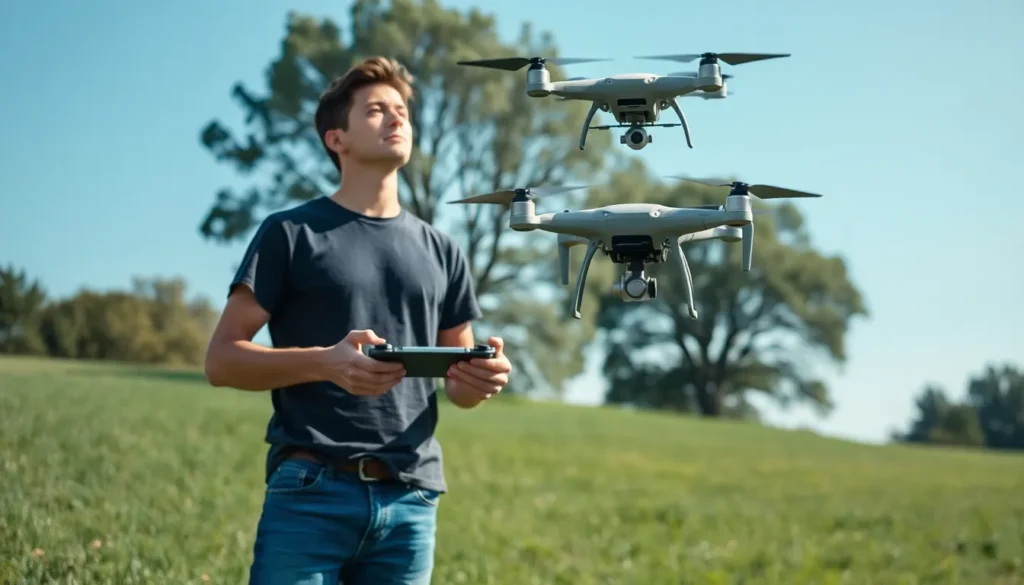
Drones have soared from novelty gadgets to essential tools in various industries, and with that rise comes a whirlwind of costs. Whether it’s for aerial photography, surveying, or delivery services, understanding the financial landscape of drones is crucial. After all, nobody wants to splurge on a flying robot only to find out they’ve been bamboozled by hidden fees and unexpected expenses.
In this guide, we’ll dive into the nitty-gritty of drone cost analysis, breaking down everything from initial investments to maintenance costs. Think of it as your personal flight plan for navigating the sometimes turbulent skies of drone ownership. So buckle up and prepare for a humorous yet insightful journey that’ll help anyone make informed decisions about their next airborne adventure.
Understanding Drone Cost Analysis
Understanding drone costs requires examining various components and types. Costs can vary significantly, making it essential to consider multiple factors.
Key Components of Drone Costs
Initial purchase prices for drones stand as a primary expense. Buyers face additional costs, such as battery replacements, accessories, and software subscriptions. Insurance for commercial use is another significant factor, often overlooked by new operators. Maintenance also adds to long-term expenses, including regular inspections and repairs. Lastly, operating costs—like transportation and storage—shouldn’t be ignored, as they contribute to the total cost of ownership.
Types of Drones and Their Costs
Different types of drones cater to specific needs, influencing their costs. Recreational drones generally range from $100 to $1,500 and offer basic features for casual users. Professional drones, used in fields like photography or agriculture, typically cost between $1,500 and $5,000, featuring advanced technology and optimized performance. Industrial drones, designed for specialized tasks such as surveying or inspection, can start at $5,000 and exceed $30,000. Each category presents varying levels of capabilities and operational costs, providing options for diverse applications.
Factors Influencing Drone Costs
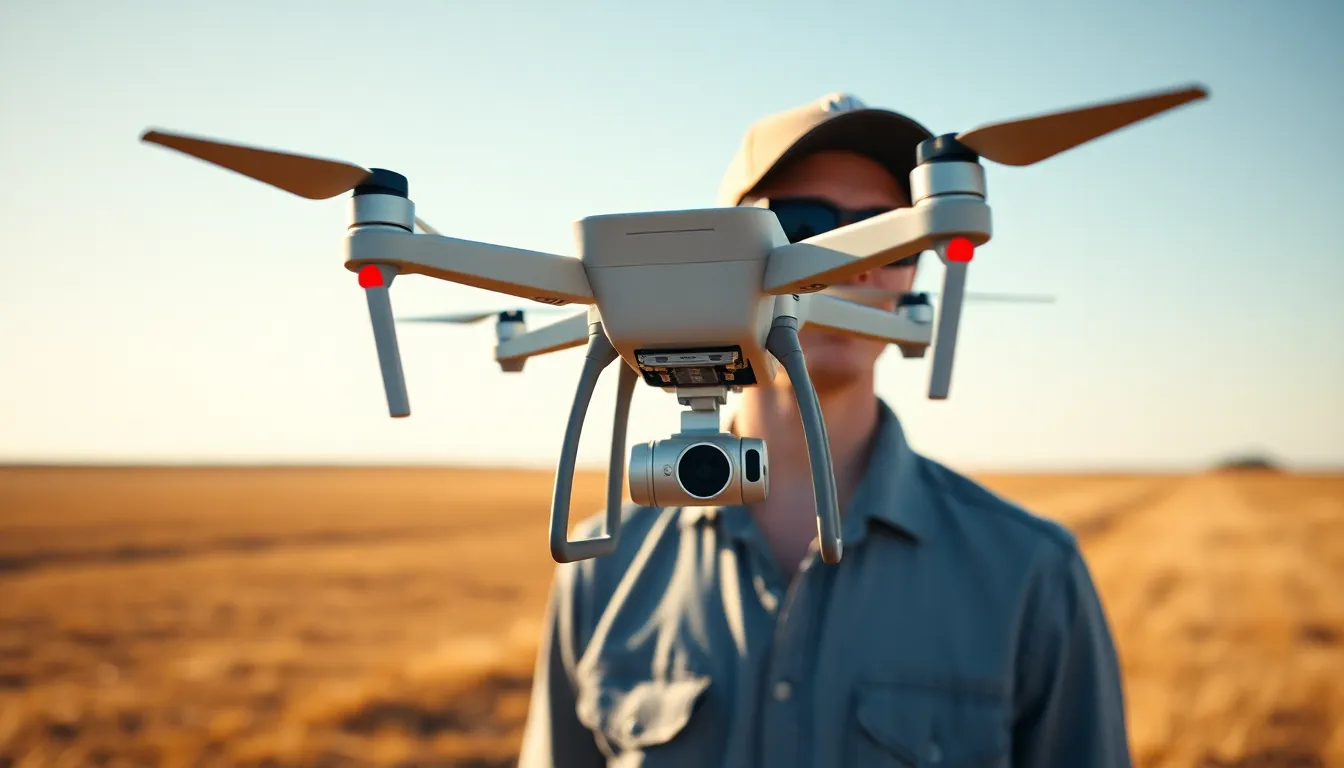
Understanding the various factors that influence drone costs is crucial for potential buyers. Prices can vary significantly based on numerous elements.
Initial Purchase vs. Long-Term Investments
Initial purchase costs vary across different drone types. Recreational drones typically range from $100 to $1,500, while professional options can fall between $1,500 and $5,000. Industrial drones start around $5,000 and can exceed $30,000. Buyers often overlook long-term investments in batteries, accessories, and software subscriptions. These expenses accumulate over time and significantly impact total ownership costs. Considering long-term financial implications aids in making informed decisions regarding suitable drones.
Maintenance and Operational Costs
Maintenance costs play a vital role in the ongoing expenses associated with drones. Regular inspections and necessary repairs add to overall expenditures, varying by drone type and usage frequency. Operational costs, like transportation and storage, emerge as additional factors in maintaining drones. These costs often increase when using drones for commercial purposes, as compliance with regulations becomes critical. Planning for both maintenance and operational costs ensures a realistic understanding of total expenditures in owning and operating a drone.
Cost-Benefit Analysis of Drones
Understanding the cost-benefit relationship of drones reveals their financial impact compared to traditional methods. Analyzing expenses uncovers considerable savings in time and labor when implementing drones for various tasks.
Comparing Costs to Traditional Methods
Drones often reduce costs associated with traditional methods such as surveying, agriculture, and delivery. For instance, using drones for agricultural monitoring can lower labor costs by 30% and decrease the time spent on field assessments by up to 80%. Similarly, aerial photography with drones eliminates the need for scaffolding or cranes, yielding savings over $1,000 per project. Furthermore, operational flexibility allows quick access to hard-to-reach areas, enhancing efficiency. In many cases, initial investments in drones can pay off within a year, depending on usage frequency and project scope.
Value Proposition of Drones in Various Industries
Drones provide significant value across multiple industries. In construction, they streamline site surveys, cutting project timelines by 25%. The technology enhances precision in mapping and inspection tasks, ultimately leading to better decision-making. In agriculture, drone use improves crop management through timely data collection, which can result in yield increases of up to 15%. Environmental monitoring benefits from drones as well, utilizing real-time data collection to assess changes and health of ecosystems more efficiently than traditional methods. Each industry reaps unique advantages, making drones valuable investments.
Future Trends in Drone Pricing
Emerging trends indicate that drone pricing will continue to evolve as technology advances. Each innovation introduces features that enhance performance and expand applications, which often results in higher initial costs. Manufacturers incorporate cutting-edge sensors, improved battery life, and enhanced software systems, driving prices upward. The introduction of AI and automation technologies is expected to further impact costs, leading to more sophisticated drones capable of complex tasks. Economies of scale may also emerge as production ramps up, potentially lowering prices for entry-level models over time.
Impact of Technology Advancements
New technologies significantly impact drone pricing structures. Enhanced features such as better imaging systems and autonomous navigation come with increased costs. Advancements in battery technology improve flight duration, yet these innovations typically raise the purchase price. Manufacturers continue to invest in research and development to provide users with the latest functionalities. As features become standard, older models may decrease in price, making them more accessible. These trends underscore an ever-changing landscape where buyers must stay informed about emerging technologies to make educated purchasing decisions.
Market Dynamics and Competition
Competitive pressure shapes the pricing strategies of drone manufacturers. Emerging companies frequently enter the market, driving innovation and creating diverse options for consumers. Increased competition often results in competitive pricing strategies, leading to lower prices for certain models. Brands must differentiate themselves through quality and features to attract buyers. As more industries adopt drone technologies, demand is expected to grow, which may spur additional competition. Regulatory developments may also shift market dynamics, influencing pricing structures for commercial-grade drones. Understanding these dynamics will help consumers navigate the pricing landscape effectively.
Understanding the true cost of drone ownership goes beyond the initial purchase price. Hidden fees and ongoing expenses can significantly impact overall investment. By considering factors like maintenance, insurance, and operational costs, buyers can make informed decisions that align with their needs.
As drone technology continues to evolve, staying aware of market dynamics and pricing trends will be essential. The potential for savings and efficiency improvements across various industries makes drones a valuable investment. With careful analysis and planning, individuals and businesses can fully leverage the benefits that drones offer while managing their costs effectively.