In a world where the unexpected lurks around every corner, security drones are swooping in to save the day—no cape required. These high-tech flying guardians are transforming the way we think about safety, proving that sometimes, the best defense is a good pair of wings. Imagine a watchful eye in the sky, tirelessly patrolling your property while you binge-watch your favorite series. Sounds like a dream, right?
But it’s not just about keeping an eye on things. Security drones are equipped with cutting-edge technology that makes them the ultimate crime-fighting sidekick. From real-time surveillance to rapid response capabilities, they’re the perfect blend of innovation and protection. As they take to the skies, these drones are not just changing the game—they’re rewriting the rulebook on security. Buckle up as we explore the fascinating world of security drones and how they’re reshaping our approach to safety.
What Are Security Drones?
Security drones, also known as unmanned aerial vehicles (UAVs), serve as high-tech tools designed for surveillance and monitoring. These drones incorporate advanced imaging technology, such as high-definition cameras and thermal imaging, allowing them to capture real-time footage of their surroundings. Security drones enhance property protection by performing regular patrols and offering a bird’s-eye view that traditional security methods cannot achieve.
Security drones maintain operational efficiency through automatic flight patterns programmed to cover designated areas. They rely on GPS technology for precise navigation and can be controlled remotely, providing flexibility in their deployment. Equipped with features such as obstacle avoidance sensors and weather resistance, security drones can operate in various environments, adapting to different surveillance needs.
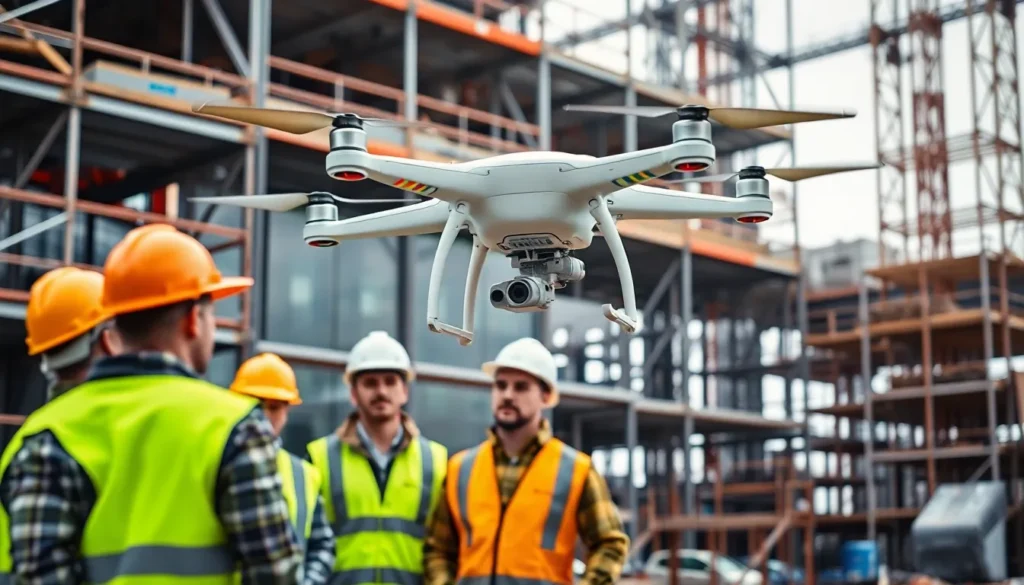
Industries utilizing security drones include commercial properties, construction sites, and public events. For instance, businesses can monitor large facilities with minimal manpower, improving response times to potential incidents. Additionally, law enforcement agencies employ security drones for crowd control and tactical surveillance, enhancing public safety.
In terms of risk management, security drones mitigate threats through proactive monitoring. Their ability to provide immediate alerts allows for swift actions against unauthorized access or suspicious activities. This capability sets them apart from traditional security measures that may rely solely on human oversight.
The integration of security drones into safety protocols showcases their increasingly pivotal role. As technology progresses, their functionalities, such as AI-driven analytics, will further transform security strategies, providing deeper insights into safety trends and vulnerabilities.
Key Features of Security Drones
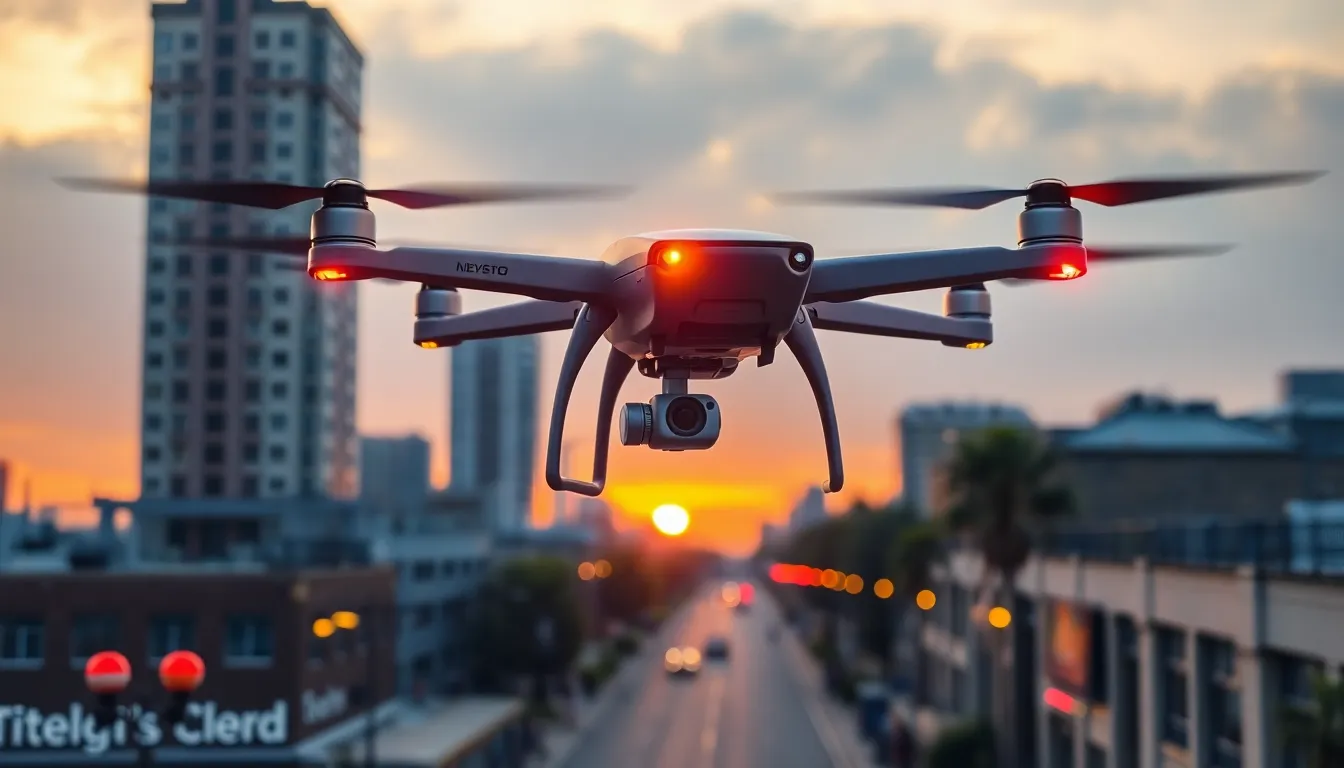
Security drones incorporate advanced technologies that enhance surveillance and data collection. Their multifaceted features make them invaluable assets in various security applications.
Surveillance Capabilities
Surveillance capabilities define the effectiveness of security drones. Equipped with high-definition cameras and thermal imaging, they capture detailed footage in diverse conditions. Drones can cover expansive areas quickly, increasing situational awareness. They employ programmed flight paths and real-time monitoring to identify potential security threats or unauthorized access. Their ability to operate autonomously reduces human involvement, enhancing efficiency during surveillance missions. Furthermore, some models integrate facial recognition technology, recognizing individuals in crowded locations, which aids law enforcement in crowd control and incident response.
Data Collection and Analysis
Data collection and analysis are critical features that set security drones apart. These drones gather vast amounts of information during surveillance missions. High-resolution video and infrared images provide insights into security threats and patterns. Advanced software processes this data, enabling law enforcement or security teams to analyze trends and develop actionable insights. Automated alerts notify personnel of suspicious activities in real time, facilitating prompt response. The integration of AI analytics further enhances data interpretation, identifying anomalies that might escape human notice. These features allow organizations to adopt a more proactive approach to security management, significantly improving response times and overall safety.
Benefits of Using Security Drones
Security drones offer numerous advantages in enhancing safety and surveillance across various sectors. These benefits include cost-effectiveness and enhanced monitoring capabilities.
Cost-Effectiveness
Cost-effectiveness serves as a primary advantage of security drones. Organizations reduce labor costs by minimizing the need for extensive security personnel. Drones cover large areas quickly, decreasing the frequency of human patrols. Additionally, the initial investment in drone technology often offsets long-term expenses incurred through traditional security measures. Data from the Federal Aviation Administration (FAA) shows that drone operations can reduce costs by up to 50%. As the technology matures, prices decrease, making drones accessible for businesses of all sizes, streamlining security operations without sacrificing quality.
Enhanced Monitoring
Enhanced monitoring capabilities provide another significant benefit of using security drones. Drones capture high-definition video and thermal imagery, delivering comprehensive surveillance that outmatches conventional methods. Their ability to operate autonomously allows for continuous monitoring, providing real-time data transfer to security teams. Drones can quickly identify unauthorized access or suspicious activities, triggering immediate alerts. According to a study by the University of Southern California, drone surveillance enhances detection rates by 30% compared to traditional methods. The integration of AI analytics further improves situational awareness, enabling proactive responses to potential security threats.
Applications of Security Drones
Security drones find extensive applications across various sectors, enhancing safety and surveillance capabilities.
Commercial Use
Drones serve as valuable assets for commercial entities, such as retail stores, warehouses, and construction sites. They provide aerial surveillance to assess security breaches and manage inventory effectively. High-definition cameras and thermal imaging allow businesses to monitor large areas continuously, increasing deterrence against theft. For example, examining a large distribution center with drones can reveal unauthorized access quickly and accurately. Many companies report operational cost reductions of up to 30% due to decreased reliance on human security personnel, enabling safer and more efficient monitoring practices.
Government and Law Enforcement
Government and law enforcement agencies leverage security drones for various critical functions, including crowd monitoring and emergency response. Drones enhance situational awareness during public events, offering real-time aerial views to manage large crowds effectively. In tactical situations, drones assist in reconnaissance missions, providing essential information without jeopardizing officer safety. For instance, using drones during natural disasters helps assess damage and coordinate rescue operations. Research indicates that deploying drones in law enforcement can lead to a 40% increase in successful intervention rates, significantly bolstering community safety.
Challenges and Considerations
Security drones present unique challenges alongside their advantages, particularly in areas such as privacy and regulation.
Privacy Concerns
Privacy concerns arise from the surveillance capabilities of security drones. They possess the ability to capture footage in public spaces and private properties, potentially infringing on individuals’ rights. Unauthorized recording can lead to backlash from the community and legal repercussions for organizations. A survey by the American Civil Liberties Union (ACLU) indicated that 80% of respondents express concerns regarding drone surveillance. Striking a balance between effective security and respect for privacy rights becomes vital for organizations deploying these drones.
Regulatory Issues
Regulatory issues necessitate careful consideration when deploying security drones. The Federal Aviation Administration (FAA) oversees drone operations, enforcing regulations that govern flight paths, altitude restrictions, and no-fly zones. Compliance with these regulations is essential to avoid penalties and ensure safe operations. Organizations must also stay informed about evolving legislation as laws regarding drone usage continue to develop. A report by the Drone Advisory Committee outlines that regulatory clarity enhances public acceptance of drones, supporting their integration into security frameworks.
The rise of security drones marks a significant shift in how safety and surveillance are approached across various sectors. Their ability to provide real-time monitoring and advanced imaging technology enhances operational efficiency and response times. As organizations increasingly adopt these innovative tools, they enjoy not only cost savings but also improved security measures.
While the benefits are substantial, it’s crucial to navigate the complexities surrounding privacy and regulation. Balancing effective surveillance with respect for individual rights remains a priority. As technology continues to evolve, security drones are set to play an even more integral role in safeguarding communities and assets, paving the way for a future where safety is both proactive and intelligent.