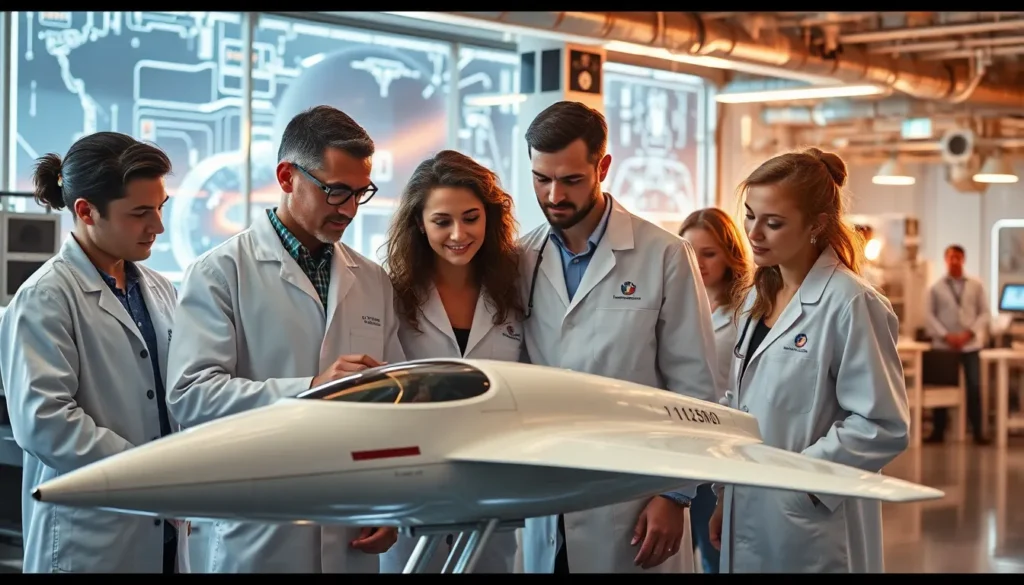
In a universe filled with endless possibilities, space travel innovation is the rocket fuel propelling humanity into the final frontier. Gone are the days when space exploration was just the stuff of sci-fi movies and wild dreams. Today, companies are racing to turn those dreams into reality, and it’s not just astronauts who’ll be taking the leap. Imagine sipping your morning coffee while orbiting Earth—who needs a fancy café when you can have a view of the Milky Way?
With advancements in technology and a sprinkle of entrepreneurial spirit, space travel is becoming more accessible and exciting. From reusable rockets that make space travel feel like hopping on a bus to plans for lunar vacations, the future of interstellar journeys is bright. Buckle up as we dive into the latest innovations that are transforming how we explore the cosmos—because who wouldn’t want to add “space traveler” to their résumé?
Overview of Space Travel Innovation
Space travel innovation has reached unprecedented heights, fundamentally shifting how humanity approaches exploration beyond Earth. New technologies play a crucial role in shaping opportunities for diverse groups of people to experience the wonders of space. Companies like SpaceX, Blue Origin, and Virgin Galactic lead this revolution with advancements in reusable rocket systems, significantly reducing costs and increasing access to space.
Innovations such as the Crew Dragon spacecraft enable regular ferrying of astronauts to the International Space Station (ISS). The ISS serves as a testing ground for life-support systems, essential for deeper space missions. Lunar exploration initiatives, spearheaded by NASA’s Artemis program, aim to establish a sustainable human presence on the Moon and initiate missions to Mars.
A focus on accessibility defines modern space ventures. Suborbital flights allow civilians to venture into space, experiencing weightlessness and spectacular views of Earth. This development democratizes space travel, turning once exclusive experiences into available options for the public.
Research in propulsion technologies continues to advance, opening possibilities for interplanetary travel. Ion propulsion systems exhibit enhanced efficiency, allowing spacecraft to travel longer distances with less fuel. Concepts such as solar sails offer an innovative way to harness cosmic winds for propulsion, presenting exciting prospects for expeditions beyond the Solar System.
Investment in space travel innovation reflects a growing interest in the commercial space sector. Companies are increasingly pivoting towards space tourism, aiming to create unforgettable experiences for paying passengers. The convergence of technology and creativity envisions a future where interstellar journeys become not just aspirational but achievable realities for many.
Recent Technological Advancements
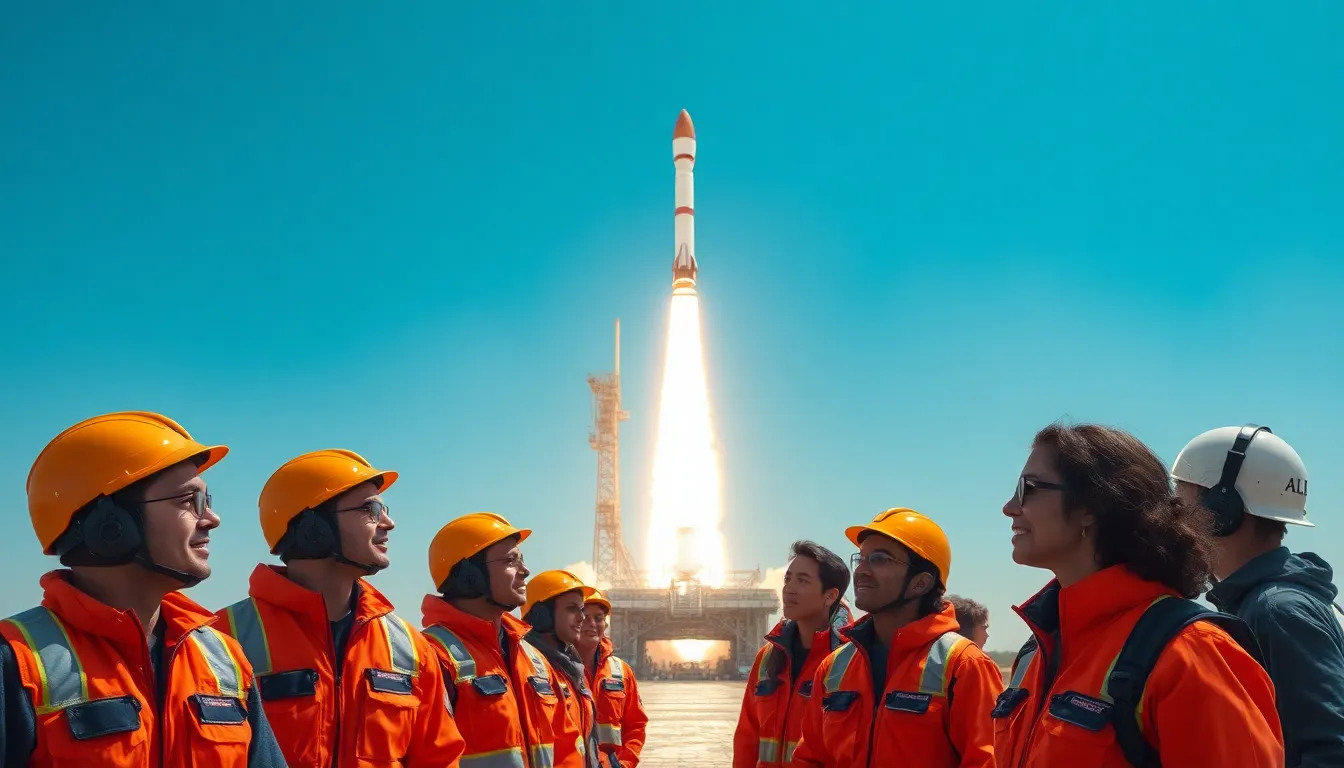
Space travel is undergoing significant evolution due to recent technological advancements. Innovations shape how humans interact with space, making experiences more accessible.
Reusable Rocket Technology
Reusable rocket technology revolutionizes space exploration by reducing launch costs. SpaceX’s Falcon 9 set a benchmark, allowing reuse of first-stage boosters multiple times. Blue Origin’s New Shepard follows suit, promoting sustainability in the industry. Lower expenses benefit space tourism and research missions alike, enabling various companies to engage in space initiatives. Rapid reusability encourages a greater frequency of launches, paving the way for broader access to low Earth orbit and beyond. Successful testing of these systems not only boosts confidence in safety but also accelerates the pace of innovation.
Spacecraft Automation
Spacecraft automation enhances operational efficiency during missions. Automated systems minimize the reliance on human intervention for navigation and communication, streamlining workflows. NASA’s Crew Dragon includes advanced automation technology, which supports both crew and cargo missions to the International Space Station. This technology aims to improve safety and reliability in space travel. Autonomous drones also represent an innovation in exploration, serving as scouts for potential landing zones on celestial bodies. Observational data collected from automated systems informs future missions, contributing to a more thorough understanding of space environments.
Notable Companies in Space Travel Innovation
Several companies are redefining space travel through innovative technologies and ambitious projects. The landscape of space exploration is rapidly evolving thanks to these key players.
Private Sector Contributions
SpaceX leads the charge with its Falcon 9 and Falcon Heavy rockets, showcasing reusable technology that lowers costs. Blue Origin focuses on suborbital flights using its New Shepard vehicle, enabling civilians to experience space. Virgin Galactic offers unique space tourism experiences through its SpaceShipTwo, catering to adventurous travelers. Other companies like Rocket Lab provide dedicated small satellite launches, expanding access to low Earth orbit. Technologies developed by these firms demonstrate substantial leaps in efficiency and sustainability for future missions.
Government Space Agencies
NASA remains a cornerstone of space exploration, spearheading initiatives like the Artemis program to return humans to the Moon. ESA (European Space Agency) collaborates with international partners on various missions, emphasizing science and technology advancements. ISRO (Indian Space Research Organisation) is gaining recognition for its cost-effective satellite launches and ambitious Mars missions. The Russian space agency, Roscosmos, continues to play a critical role in human spaceflight and ISS operations. Each agency’s investments in research strengthen the global efforts in space travel and exploration.
Challenges Facing Space Travel Innovation
Space travel innovation encounters several challenges that could impact its progress. Addressing these obstacles is crucial for further development and accessibility.
Environmental Concerns
Environmental impacts from rocket launches prompt significant scrutiny. High atmospheric emissions contribute to climate change, raising alarms among environmentalists. Researchers estimate that each launch can release approximately 300 tons of carbon dioxide. Noise pollution also poses a challenge, affecting both wildlife and human communities near launch sites. Developing eco-friendly propulsion systems, such as biofuels and electric engines, may mitigate these effects. As the industry expands, balancing exploration goals with environmental responsibilities becomes essential.
Funding and Investment Issues
Funding and investment challenges hinder the pace of space travel innovation. Investors often view space projects as high-risk due to their complexity and uncertain returns. According to reports, venture capital in space startups reached around $4 billion in 2020, yet this figure represents only a fraction of total funding required for ambitious projects. Government agencies play a vital role, but budget constraints can limit their capabilities. Encouraging public-private partnerships can provide additional financial support and resources. Addressing funding issues directly influences the sustainability and growth of commercial space endeavors.
Future Trends in Space Travel Innovation
Emerging trends in space travel innovation showcase significant transformations in the industry. Reusable rocket technology stands at the forefront of these advancements, as companies aim to reduce launch costs. SpaceX’s Falcon 9 exemplifies this trend, demonstrating increased launch frequencies and improved access to low Earth orbit.
Innovative spacecraft designs enhance human spaceflight capabilities. The Crew Dragon spacecraft from SpaceX facilitates regular trips to the ISS, serving as a critical testing ground for future missions. Blue Origin’s New Shepard supports suborbital flights, allowing civilians to experience weightlessness and panoramic views of Earth.
Plans for lunar vacations foster excitement in commercial space tourism. Numerous companies envision a thriving market where everyday people can venture beyond the confines of Earth, enjoying unique experiences in space. This democratization of space travel exemplifies how technology lowers barriers.
Ongoing research in propulsion technologies fuels aspirations for interplanetary travel. Ion propulsion systems and solar sails promise greater efficiency and endurance for long-distance missions. Advancements here open pathways to Mars and beyond, reshaping humanity’s cosmic ambitions.
Autonomous systems also play a crucial role in evolving space exploration. Drones collecting data refine mission strategies and provide insights into space environments. NASA’s automated systems lessen the need for human intervention, increasing safety in complex tasks.
Collaboration between private entities and government agencies strengthens the foundation of future missions. Partnerships encourage resource sharing and financial support, addressing challenges such as environmental impacts of rocket launches. Sustainable practices become essential to lessen atmospheric emissions and noise pollution associated with launches.
Investment trends indicate an expanding commercial landscape within the space sector. Increased funding welcomes innovations that elevate the experience and accessibility of space travel, paving the way for exciting interstellar opportunities in the near future.
The landscape of space travel is evolving rapidly as innovation reshapes the possibilities for exploration. With advancements in reusable rocket technology and the rise of commercial space tourism, a new era is dawning where space is accessible to more than just astronauts. Companies are not only making space travel a reality but are also laying the groundwork for future interstellar journeys.
As the industry continues to grow, collaboration between private firms and government agencies will be crucial in overcoming challenges. The excitement surrounding lunar vacations and suborbital flights hints at a future where venturing into space becomes a common experience. The journey toward democratizing space travel is just beginning, promising thrilling opportunities for generations to come.