Tethered drones are taking the skies by storm, and they’re not just for tech enthusiasts anymore. Imagine a flying robot that doesn’t run out of battery mid-flight, all while providing a bird’s-eye view of your next big event or project. They’re like the overachieving cousin of traditional drones, combining the freedom of flight with the reliability of a power cord.
These aerial wonders are perfect for everything from surveillance to live streaming, offering endless possibilities without the worry of a sudden crash landing. Plus, they come with the bonus of a tether—because who wouldn’t want their drone to have a safety leash? As tethered drones soar into various industries, it’s time to explore how they’re changing the game and why you might want to hop on this airborne bandwagon.
Overview of Tethered Drones
Tethered drones connect to a stationary power source via a cable, ensuring continuous operation without the risk of battery depletion. This design enhances their capability to perform extended missions efficiently. Various applications benefit from tethered drones, including surveillance, telecommunications, and live events.
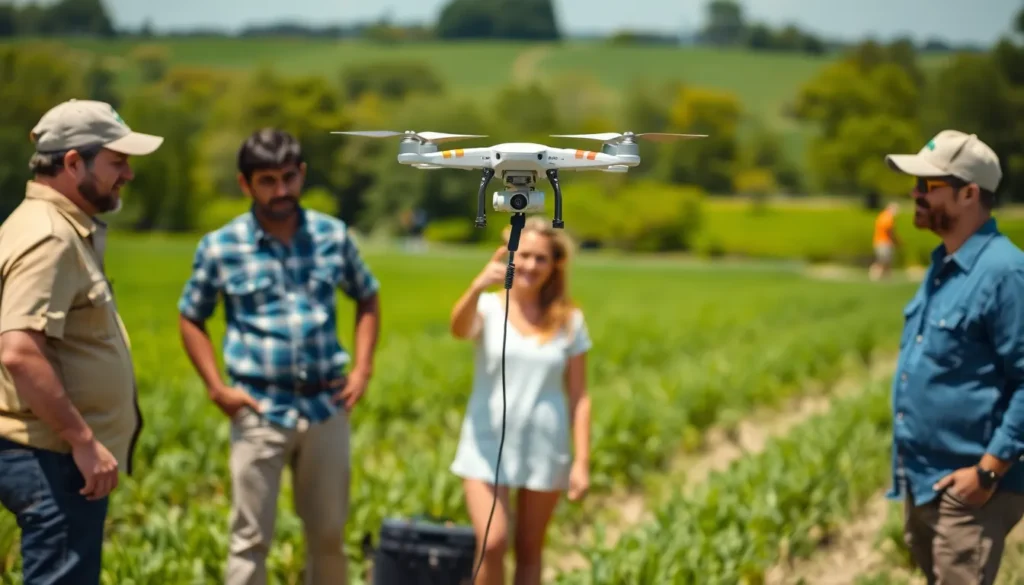
Enhancing safety, tethered drones avoid the risks associated with traditional drones, such as crashes or loss of control. The tether allows for greater stability during windy conditions. Usage in security operations has shown that these drones can monitor larger areas without needing to recharge frequently.
Employing a consistent power source, tethered drones support prolonged flights. This feature positions them as ideal choices for tasks that require real-time data transmission. Operators can manage devices from a distance while maintaining reliability.
Additionally, tethered drones are advantageous in emergency situations. They can deliver immediate aerial views during disasters or complex operations. Companies have begun to integrate tethered drone technology into their workflows, acknowledging their efficiency and safety.
The versatility of tethered drones extends to industries like agriculture, where they monitor crop health and conditions. Innovative organizations are finding new ways to utilize tethered drones, maximizing their potential for various projects. As advancements continue, the impact of tethered drones across sectors becomes increasingly significant.
Benefits of Tethered Drones

Tethered drones offer several significant advantages, making them increasingly valuable in various sectors. Their enhanced features contribute to improved operational efficiency and safety.
Enhanced Stability
Enhanced stability distinguishes tethered drones from their traditional counterparts. Wind resistance and adverse weather conditions pose fewer challenges for these drones, thanks to their stationary connection. The tether provides remarkable control, allowing for precise maneuvering during critical tasks. This stability proves crucial in applications like surveillance and emergency response, where maintaining a steady flight path is vital. In addition, tethered drones can perform for extended periods without losing altitude or control, ensuring reliable data collection.
Continuous Power Supply
Continuous power supply represents one of the most compelling benefits of tethered drones. The tether connects to a grounded power source, eliminating concerns about battery depletion. Users can conduct lengthy operations without interruptions, leading to more effective monitoring and data transmission. This feature is particularly beneficial in scenarios requiring real-time video feeds, such as live broadcasts or security surveillance. Additionally, tethered drones excel in emergency situations, delivering immediate aerial support without the need for recharging.
Applications of Tethered Drones
Tethered drones bring a range of applications across various industries due to their unique capabilities. They provide reliable solutions for monitoring and communication.
Surveillance and Monitoring
Surveillance operations benefit significantly from tethered drones. Constant aerial views during security assessments enhance situational awareness. Organizations deploy these drones for perimeter monitoring at critical infrastructure sites. Real-time feeds transmit data from cameras on tethered drones, allowing for immediate decision-making. Additionally, challenging weather conditions do not affect their stability, making them reliable for long-term surveillance. These features enable security personnel to respond quickly to incidents.
Telecommunications Support
Telecommunications companies leverage tethered drones to enhance connectivity in remote areas. Through elevated platforms, these drones transmit signals over vast distances. They provide temporary coverage during events or emergencies that disrupt traditional infrastructure. In addition, tethered drones facilitate inspections of antennas or equipment, maintaining operational efficiency. Ongoing power supply ensures uninterrupted service, crucial for businesses and emergency responders. The ability to provide real-time data transmission enhances communication capabilities in critical situations.
Challenges and Limitations
Tethered drones, despite their many advantages, face specific challenges that can limit their effectiveness. Understanding these challenges is crucial for maximizing their potential across various applications.
Deployment Restrictions
Deployment of tethered drones often encounters geographic and infrastructural limitations. Specific locations, such as dense urban areas, present challenges due to cable entanglement risks. Some environments may lack access to reliable power sources, impeding operational capabilities. Regulatory compliance also plays a role; airspace restrictions can affect deployment strategies. Remote areas may not accommodate tethered infrastructure, hampering efficiency. Organizations must evaluate these factors before implementing tethered drone solutions.
Wind Sensitivity
Wind sensitivity significantly impacts tethered drone operation. High winds can lead to instability, affecting maneuverability and camera functions. More than just operational challenges, strong gusts risk both the tethering cable and the drone itself. Some missions may require precise imaging or data collection, which windy conditions can hinder. Organizations need to consider weather forecasts before mission planning. Optimal conditions ensure reliable performance, enhancing the advantages of tethered drones during crucial tasks.
Future Trends in Tethered Drones
Evolving technologies continuously shape tethered drone capabilities. Increasing demand for reliable surveillance systems drives innovation, encouraging manufacturers to enhance features and performance. Innovations in lightweight materials and advanced sensors contribute to improved efficiency, allowing for prolonged flight durations.
Enhanced connectivity solutions spotlight the importance of tethered drones in telecommunications. Expanding 5G networks benefit from tethered drones, which can deploy antennas at strategic heights. As infrastructure grows in remote areas, these drones provide essential connectivity and signal coverage during critical events.
Regulatory environments will likely adapt to address challenges specific to tethered drone operation. Companies may work with regulators to establish clear guidelines, promoting safe deployment while maintaining operational flexibility. Innovations in urban planning could integrate tethered drone usage, unlocking new operational areas.
In agriculture, precision farming technology increasingly incorporates tethered drones. Crop monitoring and health assessments become more efficient with real-time data transmissions. New analytical tools may leverage drone-collected data to enhance crop management, resulting in optimized yields.
Environmental monitoring also benefits from tethered drone advancements. Drones equipped with specialized sensors can continuously collect data, supporting climate research and wildlife conservation efforts. Utilizing these drones for pollution detection and disaster response further demonstrates their versatility across sectors.
Cost-reduction strategies will play a pivotal role in the future of tethered drones. Increased competitiveness among manufacturers may lead to affordable options for smaller organizations. Partnerships between tech firms and government agencies might also accelerate research and development, facilitating widespread adoption.
Tethered drones are transforming the landscape of aerial technology with their unique advantages. Their ability to maintain continuous power and stability makes them invaluable across various sectors. As organizations increasingly recognize their potential for real-time data transmission and enhanced surveillance capabilities, the demand for these drones will likely grow.
Future innovations promise to further expand their applications, making them even more efficient and accessible. With advancements in technology and evolving regulatory frameworks, tethered drones are set to play a crucial role in industries ranging from agriculture to emergency response. Embracing this technology could lead to improved operations and better outcomes in critical situations.