Table of Contents
ToggleIn a world where the vacuum of space seems like the ultimate frontier, vacuum chamber testing is the unsung hero that prepares us for the great unknown. Imagine a high-tech box that can simulate the harshest conditions of outer space without requiring a rocket launch. That’s right, folks! No need for a spacesuit or a million-dollar ticket to Mars—just good old vacuum chamber testing to ensure that equipment can withstand the cosmic elements.
Overview of Vacuum Chamber Testing
Vacuum chamber testing simulates the extreme conditions found in outer space, allowing engineers to assess the durability of equipment. This process involves creating a low-pressure environment that replicates the vacuum of space. Equipment such as satellites, sensors, and scientific instruments undergo rigorous testing in these chambers.
Testing protocols vary, depending on the specific equipment and its intended use. Common tests include thermal cycling, vibration analysis, and outgassing evaluation. Thermal cycling exposes equipment to temperature variations, mimicking conditions in space. Vibration analysis checks the resilience of equipment against launch vibrations. Outgassing evaluation measures the release of gases from materials used in equipment, ensuring that no contaminants will compromise its function.
Vacuum chambers come in different sizes and designs, catering to diverse testing requirements. Some chambers can accommodate larger satellites, while others are optimized for smaller experimental devices. Advanced vacuum technology uses pumps to create and maintain the desired pressure levels inside the chamber.
Manufacturers often employ vacuum chamber testing during the development phase of equipment. Results from these tests provide valuable insights and inform design modifications. This testing plays a vital role in ensuring the reliability of space-bound equipment, ultimately contributing to successful missions.
Reliable data from tests validate performance, confirming that equipment can withstand the harsh realities of space. Understanding the parameters set during vacuum chamber testing aids engineers in enhancing product designs. By optimizing this testing method, engineers enhance mission success rates and facilitate advancements in aerospace technology.
Applications of Vacuum Chamber Testing
Vacuum chamber testing serves multiple applications across various industries. This method ensures equipment and systems can operate reliably under extreme conditions.
Aerospace Industry
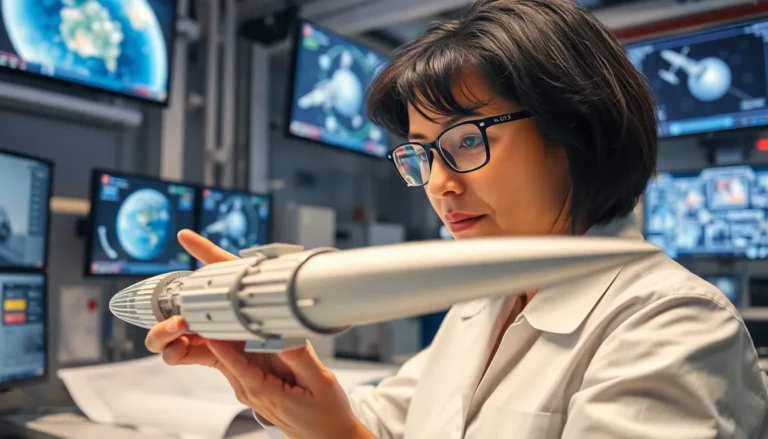
The aerospace industry relies heavily on vacuum chamber testing. This technology assesses the performance of satellites, spacecraft, and components before they reach space. Testing often includes simulating the harsh vacuum and temperature extremes found in outer space. Engineers evaluate how materials respond to these conditions to prevent failures during missions. Testing protocols like thermal cycling and vibration analysis are standard in this sector. By validating designs through these tests, manufacturers enhance the success rates of space missions.
Electronics Testing
Vacuum chamber testing plays a critical role in the electronics sector. Semiconductor devices and sensitive electronics undergo testing to confirm functionality in low-pressure environments. It evaluates how components behave when exposed to vacuum conditions, preventing potential malfunctions in operational settings. Outgassing tests identify materials that release gas under vacuum, ensuring that products maintain integrity over time. This testing also helps in developing reliable consumer electronics and military applications. Implementing these rigorous protocols increases overall product safety and longevity.
Key Components of a Vacuum Chamber
Key components play an essential role in the functionality of a vacuum chamber. Understanding these elements aids in appreciating how chambers simulate outer space conditions.
Chamber Design and Materials
Chamber design emphasizes structural integrity and effective vacuum maintenance. Steel serves as a common material, chosen for its durability and ability to withstand external pressures. Aluminum also features prominently due to its lighter weight and corrosion resistance. Research often includes considerations for thermal insulation and internal coatings, which minimize gas release and contamination. Each design element ultimately influences the chamber’s ability to sustain the required vacuum levels and ensure accurate testing results for various equipment.
Vacuum Pumps
Vacuum pumps are critical for achieving and maintaining the desired low-pressure environment. They function by removing air and other gases from the chamber effectively. Rotary vane pumps represent a popular choice, known for their reliability and ability to reach medium vacuum levels. Another type, the turbomolecular pump, excels in high-vacuum applications, providing superior performance through its rapid rotation. Proper selection of vacuum pumps guarantees efficient evacuation and supports the testing protocols necessary for validating equipment performance in simulated space conditions.
Testing Procedures and Standards
Vacuum chamber testing follows strict protocols and standards to ensure accurate results. These procedures involve meticulous preparation and execution, each step critical to equipment reliability.
Preparation for Testing
Preparation for testing starts with thorough equipment inspection. Technicians assess components for damage or signs of wear. Calibration of instruments follows to ensure accurate measurements. Operators then configure the vacuum chamber, selecting appropriate vacuum levels based on the equipment’s specifications. Placement of the equipment inside the chamber occurs carefully to avoid potential damage during testing. Finally, proper sealing of the chamber is essential, as this step prevents leaks that could affect test outcomes.
Execution of Tests
Execution of tests occurs under controlled conditions to simulate the space environment accurately. Thermal cycling introduces extreme temperature variations, testing the equipment’s thermal resistance. Vibration analysis simulates launch and space conditions, assessing durability under physical stress. Outgassing evaluation focuses on identifying materials that release gases in vacuum, ensuring material stability. Technicians monitor all parameters closely during these tests, recording data for analysis. Each test concludes with a thorough review, confirming that the equipment meets the required standards for mission readiness.
Benefits of Vacuum Chamber Testing
Vacuum chamber testing offers several key advantages that directly contribute to the reliability and effectiveness of equipment designed for extreme environments.
Improved Product Reliability
Equipment subjected to vacuum chamber testing experiences increased reliability. This process helps identify potential failures before equipment deployment. Durability is thoroughly evaluated under simulated conditions, enabling manufacturers to make informed design modifications. Testing requirements include assessing materials’ performance and their resilience in vacuum environments. Manufacturers reduce the risk of mission-critical failures by putting devices through rigorous evaluations. Consistent data from these tests builds confidence in product longevity, ultimately ensuring user safety and mission success.
Enhanced Performance Assessment
Performance assessment improves significantly with vacuum chamber testing. Each testing procedure simulates real-world conditions effectively, validating equipment capability. Parameters such as thermal cycling, vibration analysis, and outgassing evaluation provide comprehensive insights into how well products function. Observing equipment performance under varying pressure and temperature illustrates the equipment’s operational limits. Such detailed assessments lead to improved designs and operational procedures. Organizations achieve higher success rates and reduce costs by accurately predicting performance in space or challenging environments.
Vacuum chamber testing stands as a pivotal component in the development and validation of equipment intended for extreme environments. By simulating the harsh conditions of outer space, it ensures that critical technologies can withstand the rigors of their missions. This testing not only enhances reliability but also informs design improvements, ultimately leading to more successful outcomes in aerospace and other industries.
With advancements in testing protocols and equipment design, manufacturers can confidently push the boundaries of innovation. The insights gained from vacuum chamber testing are indispensable for ensuring that products meet the highest standards of performance and safety. As technology continues to evolve, the role of vacuum chamber testing will remain vital in shaping the future of aerospace and beyond.